News · Richmond Hill, Ontario
Published
Yonge North Subway Extension: what Richmond Hill is getting and what is underway
The Yonge North Subway Extension is planned to extend Line 1 about eight kilometres from Finch into Richmond Hill, with five new stations. Construction notices show work, but this article does not promise an opening date.
Facts checked
In this story
A long wait, with work now visible
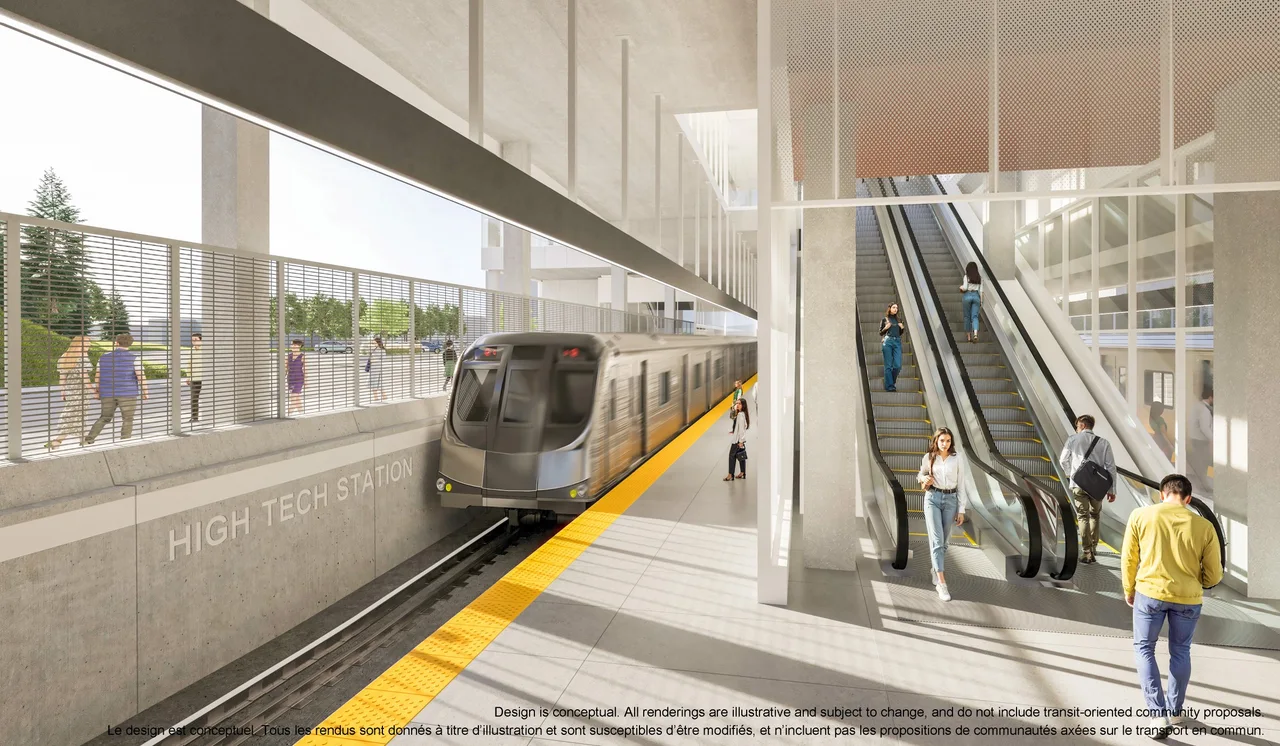
The Yonge North Subway Extension is designed to carry Line 1 roughly eight kilometres beyond Finch, adding five stations across Toronto and York Region. For Richmond Hill, it promises access to the subway network that is different from a trip directly to Union on GO. Current corridor notices show construction activity. They do not supply a train you can catch this November.
The long wait has become part of local conversation, with residents measuring it in school years and generations. Beneath the jokes is a practical distinction: a stronger network would make some ordinary journeys easier. Understanding which journeys benefit is more useful than treating every mention of public transport as a contest between subway supporters and GO passengers.
Source: Metrolinx: Yonge North Subway Extension
Source: Metrolinx: Yonge North construction notices
Source: Different hopes for the subway, November 2025
What is actually proposed
Metrolinx describes an extension of about eight kilometres north from Finch, with five new stations serving Toronto, Vaughan, Markham and Richmond Hill. The current project includes High Tech at its northern end. It is an extension of an existing network, not a separate direct train from every Richmond Hill neighbourhood to every Toronto destination.
The distinction matters when residents compare it with GO. A train to Union and a subway trip to a station in midtown do different jobs. In older discussions, commuters who needed intermediate destinations explained why a direct link to Line 1 appealed even when others preferred faster or more frequent GO service. A system can need both without one conversation cancelling the other.
Source: Metrolinx: Yonge North Subway Extension
Source: Different hopes for the subway, November 2025
The construction is not merely a new rendering
The official notices page includes October 2026 work relating to roadworks, piling, property investigations and demolition along the corridor. Those notices are evidence of project activity, not proof that every named worksite remains active on the day you read this. Metrolinx directs residents to current notice and map information for the work affecting them.
Visible site work helps explain why the extension feels more tangible than another rendering. Residents near the corridor also face the less celebratory side of progress: work zones, changing routes and questions about disruption. The current notices and map are the useful tools for those immediate effects. Watching the project advance and wanting a reliable delivery timetable are entirely compatible positions.
Source: Metrolinx: Yonge North construction notices
Source: Residents discuss extension progress, July 2026
The hopes are bigger than one journey
The supportive comments were not all about getting to Union. Some wanted easier trips to midtown, university or other parts of Toronto. Others hoped stronger connections would help historic downtown Richmond Hill. There were also objections about the spacing of stations, future crowding and whether investment should instead deliver better all-day, two-way GO service.
A subway and an improved GO service would answer different travel patterns. Station spacing, transfers and the final destination determine which would help a particular passenger. The project's current design explains the intended connection; engineering or delivery claims need official evidence. An opening year guessed from the scale of a hole in the ground is still a guess, however confidently it is supplied.
Source: Different hopes for the subway, November 2025
Source: Residents discuss extension progress, July 2026
Source: Metrolinx: Yonge North Subway Extension
The destination matters as much as the line on the map
A passenger travelling to an intermediate Line 1 station has a different problem from someone whose destination is Union. Likewise, reaching the subway from another Richmond Hill neighbourhood still requires a first part of the journey. The extension adds a network connection; it does not place every home within walking distance of a station.
That helps organise the debate about investment. Better GO service and the subway can both matter, while benefiting different trips. Compare station access, transfer needs and the destination rather than treating one faster-looking segment as the whole journey. For decisions today, use services that are actually operating. For the future project, use the published station design and current work notices. The distinction keeps enthusiasm connected to the journeys people hope to make.
Source: Metrolinx: Yonge North Subway Extension
Source: Metrolinx: Yonge North construction notices
Source: Different hopes for the subway, November 2025
What you can use before you can use the subway
For now, residents near works need the current construction notices, while people choosing a journey need today’s transit schedules. A future station is not an alternative service for tomorrow morning. That is the frustrating gap beneath the jokes: planning can make a better network imaginable long before it makes an ordinary commute easier.
Still, the enthusiasm has not vanished. The same conversations contain people who want the connection precisely because they understand their present options so well. Richmond Hill is allowed to welcome visible progress and ask hard questions about delivery. After this much waiting, a little impatience is not evidence that people dislike public transport. It may be evidence that they would rather like to catch some.
Source: Metrolinx: Yonge North construction notices
Source: Different hopes for the subway, November 2025
Source: Residents discuss extension progress, July 2026
Questions people ask
What is the Yonge North Subway Extension?
A planned extension of TTC Line 1 north from Finch through Toronto, Vaughan, Markham and into Richmond Hill.
Source: Metrolinx: Yonge North Subway Extension
How long is the extension?
Metrolinx describes approximately eight kilometres.
Source: Metrolinx: Yonge North Subway Extension
How many new stations are planned?
Five new stations are included in the current project description.
Source: Metrolinx: Yonge North Subway Extension
Will High Tech be served?
Yes. High Tech is included at the northern end of the current project.
Source: Metrolinx: Yonge North Subway Extension
Has work been taking place in 2026?
The official notices page contains construction-related notices, including several issued in October 2026.
Source: Metrolinx: Yonge North construction notices
Does an October notice guarantee work is still active today?
No. Check the current notice, dates and interactive information for the particular site.
Source: Metrolinx: Yonge North construction notices
Can I use the Yonge North extension for a trip this November?
No. It is a future connection with work underway. Plan current travel using operating transit services, and use the project notices for construction effects on your route.
Source: Metrolinx: Yonge North construction notices
Will this replace the need for GO service?
The services serve different journeys. Residents debate their relative benefits, and the subway project is not a promise of expanded GO frequency.
Source: Different hopes for the subway, November 2025
Why do some residents prefer a subway connection?
Comments describe easier access to intermediate destinations, including midtown, and fewer awkward transfers. These are residents’ experiences and hopes.
Source: Different hopes for the subway, November 2025
Where can I check construction affecting my street?
Use Metrolinx’s current Yonge North construction-notices page and its linked project map.
Something changed? Tell us about a correction.